


What Are the Key Benefits of Using Coated Outer Fabrics in Industrial Protective Clothing?
Release Time : 2026-05-06
In the demanding landscape of industrial workwear, the selection of materials is a critical decision that directly impacts worker safety, comfort, and operational efficiency. Among the various innovations in textile technology, the use of coated outer fabrics has emerged as a cornerstone for high-performance protective clothing. Unlike traditional uncoated textiles, which rely solely on the weave density of the fibers for protection, coated fabrics integrate a continuous layer of polymer—such as polyurethane (PU), polyvinyl chloride (PVC), or silicone—onto the base material. This integration transforms a simple textile into a sophisticated composite barrier, offering a suite of benefits that are essential for environments ranging from chemical processing plants to outdoor construction sites. The advantages of this technology are multifaceted, addressing the fundamental needs of durability, environmental resistance, and functional longevity.
The most immediate and vital benefit of using coated outer fabrics is the superior barrier protection they provide against liquids and particulates. In many industrial settings, workers are exposed to water, oils, acids, alkalis, and other hazardous fluids that can compromise safety or damage underlying layers. A coated fabric creates a continuous, impermeable film on the surface of the textile, effectively sealing the microscopic gaps between fibers that would otherwise allow penetration. For instance, a polyurethane coating can be engineered to be waterproof while remaining breathable, preventing external moisture from entering while allowing body vapor to escape. In more extreme scenarios, such as chemical handling, specialized coatings can offer resistance to corrosive substances, ensuring that the wearer remains shielded from harmful contact. This barrier capability is not just a matter of keeping dry; it is a critical safety feature that prevents chemical burns and hypothermia.
Beyond liquid resistance, coated fabrics significantly enhance the mechanical durability and abrasion resistance of protective garments. Industrial environments are notoriously rough on clothing, with constant friction against machinery, sharp edges, and abrasive surfaces. Uncoated fabrics, even heavy-duty ones like canvas or denim, can wear through over time, exposing the skin to injury. The polymer coating acts as a sacrificial shield, absorbing the brunt of physical stress and preventing the underlying fibers from fraying or tearing. This added toughness extends the lifecycle of the garment, making it a more cost-effective solution for companies that need to outfit large workforces. Furthermore, the coating helps the fabric maintain its structural integrity under tension, reducing the risk of rips or snags that could lead to entanglement in moving equipment.
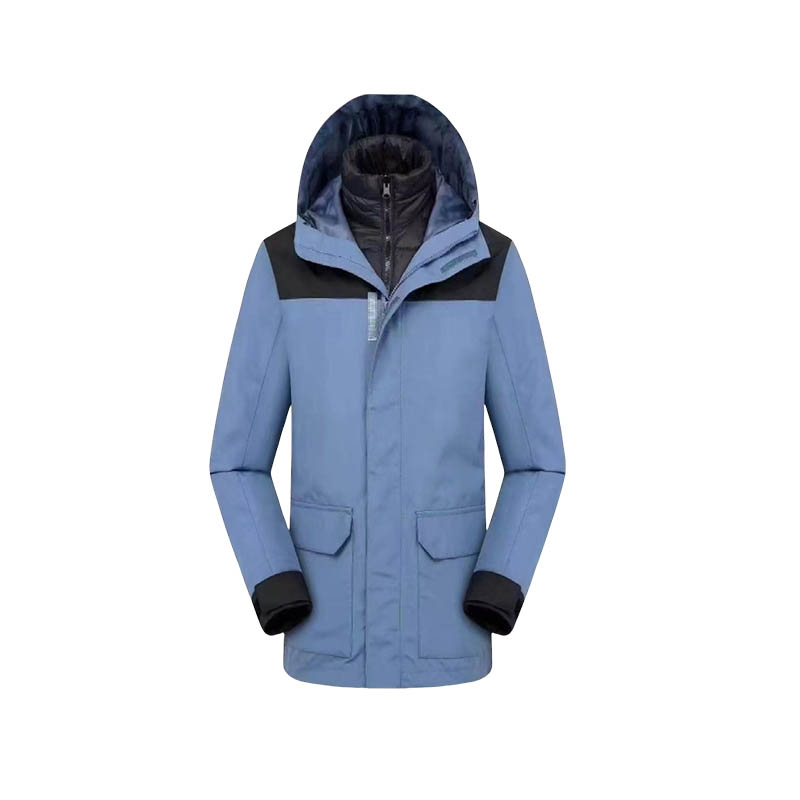
Another critical advantage is the versatility of coated fabrics in providing protection against extreme weather conditions, including wind and UV radiation. In outdoor industrial applications, such as oil and gas extraction or maritime work, wind chill can rapidly lower body temperature, leading to reduced dexterity and increased safety risks. A coated outer shell effectively blocks wind penetration, trapping warm air within the garment's insulation layers, such as a 300g fleece lining. Additionally, many modern coatings are treated with UV stabilizers that reflect harmful solar radiation. This prevents the degradation of the fabric itself—stopping it from becoming brittle and cracking—and offers an added layer of protection for the wearer against sun exposure. This weather-resistant quality ensures that the protective clothing performs consistently, whether in the scorching heat of a foundry or the freezing winds of a winter construction site.
Maintenance and hygiene are also significantly improved through the use of coated outer fabrics. The smooth, non-porous surface created by the coating makes the fabric inherently easier to clean. Dirt, grease, and grime sit on the surface rather than embedding themselves into the fibers, allowing for quick wipe-downs or efficient machine washing. In industries where hygiene is paramount, such as food processing or pharmaceuticals, this non-absorbent quality prevents the harboring of bacteria and contaminants. Moreover, the coating prevents the fabric from absorbing liquids that could cause staining or odor retention. This ease of maintenance ensures that the protective gear remains in a sanitary and professional condition for longer periods, reducing the frequency of replacement and ensuring compliance with health and safety regulations.
The integration of coated fabrics also allows for specialized functional properties that cater to niche industrial needs. For example, coatings can be formulated to be flame-retardant, providing a crucial layer of passive fire protection for workers in welding or petrochemical industries. Silicone coatings, known for their high thermal stability, can withstand extreme temperatures without melting or dripping, offering protection in foundries. Additionally, coatings can be engineered to be anti-static or conductive, preventing the buildup of static electricity that could ignite flammable vapors in volatile environments. This ability to tailor the surface chemistry of the fabric means that protective clothing can be precisely matched to the specific hazards of the job, offering a customized safety solution that uncoated textiles cannot provide.
Finally, the aesthetic and ergonomic benefits of coated fabrics contribute to the overall user experience. The coating process can add body and weight to the fabric, giving the garment a more substantial, high-quality feel that instills confidence in the wearer. It also allows for a wide range of finishes, from matte to glossy, and vibrant colors that improve visibility in low-light conditions—a key safety feature for road workers and emergency responders. The flexibility of modern coatings ensures that this added protection does not come at the cost of mobility; high-tech polymers can stretch and flex with the body, preventing the garment from becoming stiff or restrictive. This balance of protection and comfort is essential for ensuring that workers can perform their duties effectively without being hindered by their gear.
In conclusion, the adoption of coated outer fabrics in industrial protective clothing represents a significant advancement in occupational safety. By providing an impermeable barrier against liquids, enhancing resistance to abrasion and weather, and offering specialized protection against fire and static, these materials address the complex challenges of the modern workplace. Their ease of maintenance and adaptability to various functional requirements make them an indispensable component of high-performance workwear. As industrial standards evolve and the demand for safer, more durable gear increases, coated fabrics will undoubtedly remain at the forefront of textile innovation, ensuring that those who work in the most hazardous environments are equipped with the best possible protection.
The most immediate and vital benefit of using coated outer fabrics is the superior barrier protection they provide against liquids and particulates. In many industrial settings, workers are exposed to water, oils, acids, alkalis, and other hazardous fluids that can compromise safety or damage underlying layers. A coated fabric creates a continuous, impermeable film on the surface of the textile, effectively sealing the microscopic gaps between fibers that would otherwise allow penetration. For instance, a polyurethane coating can be engineered to be waterproof while remaining breathable, preventing external moisture from entering while allowing body vapor to escape. In more extreme scenarios, such as chemical handling, specialized coatings can offer resistance to corrosive substances, ensuring that the wearer remains shielded from harmful contact. This barrier capability is not just a matter of keeping dry; it is a critical safety feature that prevents chemical burns and hypothermia.
Beyond liquid resistance, coated fabrics significantly enhance the mechanical durability and abrasion resistance of protective garments. Industrial environments are notoriously rough on clothing, with constant friction against machinery, sharp edges, and abrasive surfaces. Uncoated fabrics, even heavy-duty ones like canvas or denim, can wear through over time, exposing the skin to injury. The polymer coating acts as a sacrificial shield, absorbing the brunt of physical stress and preventing the underlying fibers from fraying or tearing. This added toughness extends the lifecycle of the garment, making it a more cost-effective solution for companies that need to outfit large workforces. Furthermore, the coating helps the fabric maintain its structural integrity under tension, reducing the risk of rips or snags that could lead to entanglement in moving equipment.
Another critical advantage is the versatility of coated fabrics in providing protection against extreme weather conditions, including wind and UV radiation. In outdoor industrial applications, such as oil and gas extraction or maritime work, wind chill can rapidly lower body temperature, leading to reduced dexterity and increased safety risks. A coated outer shell effectively blocks wind penetration, trapping warm air within the garment's insulation layers, such as a 300g fleece lining. Additionally, many modern coatings are treated with UV stabilizers that reflect harmful solar radiation. This prevents the degradation of the fabric itself—stopping it from becoming brittle and cracking—and offers an added layer of protection for the wearer against sun exposure. This weather-resistant quality ensures that the protective clothing performs consistently, whether in the scorching heat of a foundry or the freezing winds of a winter construction site.
Maintenance and hygiene are also significantly improved through the use of coated outer fabrics. The smooth, non-porous surface created by the coating makes the fabric inherently easier to clean. Dirt, grease, and grime sit on the surface rather than embedding themselves into the fibers, allowing for quick wipe-downs or efficient machine washing. In industries where hygiene is paramount, such as food processing or pharmaceuticals, this non-absorbent quality prevents the harboring of bacteria and contaminants. Moreover, the coating prevents the fabric from absorbing liquids that could cause staining or odor retention. This ease of maintenance ensures that the protective gear remains in a sanitary and professional condition for longer periods, reducing the frequency of replacement and ensuring compliance with health and safety regulations.
The integration of coated fabrics also allows for specialized functional properties that cater to niche industrial needs. For example, coatings can be formulated to be flame-retardant, providing a crucial layer of passive fire protection for workers in welding or petrochemical industries. Silicone coatings, known for their high thermal stability, can withstand extreme temperatures without melting or dripping, offering protection in foundries. Additionally, coatings can be engineered to be anti-static or conductive, preventing the buildup of static electricity that could ignite flammable vapors in volatile environments. This ability to tailor the surface chemistry of the fabric means that protective clothing can be precisely matched to the specific hazards of the job, offering a customized safety solution that uncoated textiles cannot provide.
Finally, the aesthetic and ergonomic benefits of coated fabrics contribute to the overall user experience. The coating process can add body and weight to the fabric, giving the garment a more substantial, high-quality feel that instills confidence in the wearer. It also allows for a wide range of finishes, from matte to glossy, and vibrant colors that improve visibility in low-light conditions—a key safety feature for road workers and emergency responders. The flexibility of modern coatings ensures that this added protection does not come at the cost of mobility; high-tech polymers can stretch and flex with the body, preventing the garment from becoming stiff or restrictive. This balance of protection and comfort is essential for ensuring that workers can perform their duties effectively without being hindered by their gear.
In conclusion, the adoption of coated outer fabrics in industrial protective clothing represents a significant advancement in occupational safety. By providing an impermeable barrier against liquids, enhancing resistance to abrasion and weather, and offering specialized protection against fire and static, these materials address the complex challenges of the modern workplace. Their ease of maintenance and adaptability to various functional requirements make them an indispensable component of high-performance workwear. As industrial standards evolve and the demand for safer, more durable gear increases, coated fabrics will undoubtedly remain at the forefront of textile innovation, ensuring that those who work in the most hazardous environments are equipped with the best possible protection.