


How Do Protective Jackets Balance Safety Standards with Wearer Comfort?
Release Time : 2026-04-08
The design and manufacturing of protective jackets represent a complex engineering challenge that sits at the intersection of industrial safety and human physiology. For decades, the prevailing assumption in the production of personal protective equipment (PPE) was that safety and comfort were mutually exclusive; the heavier and thicker the garment, the safer it was presumed to be. However, modern textile technology and ergonomic design principles have fundamentally shifted this paradigm. Today, the primary objective for manufacturers is not merely to create a barrier against hazards, but to engineer a system that offers maximum protection with minimum physiological burden. This balance is critical because a jacket that is uncomfortable, heavy, or restrictive is less likely to be worn correctly or consistently, thereby negating its protective purpose entirely.
The foundation of this balance lies in the evolution of material science, specifically the development of advanced fibers that offer inherent protective properties without the need for bulky coatings. In the past, protection against heat and flames often relied on thick, heavy layers of treated leather or dense wool. Contemporary protective jackets, however, utilize high-performance synthetic fibers such as aramids (like Kevlar or Nomex), modacrylics, and ultra-high-molecular-weight polyethylene. These materials possess intrinsic flame-resistant (FR) and anti-static properties that do not wash out or wear off over time. By using fibers that are strong at a molecular level, manufacturers can weave fabrics that are significantly lighter and thinner than their predecessors while still meeting rigorous safety standards such as EN ISO 11612 for heat and flame protection. This reduction in weight directly correlates to a reduction in the metabolic cost of wearing the garment, allowing workers to move with greater agility and less fatigue.
A critical aspect of wearer comfort, particularly in high-risk environments that often involve high temperatures, is the management of heat stress. Protective jackets must act as a shield against external thermal hazards, but they must not become an oven that traps the wearer's body heat. This is where the concept of breathability and moisture vapor transmission becomes paramount. Modern protective jackets are engineered with moisture management systems that allow perspiration to escape from the inside out. If a jacket is impermeable, sweat accumulates on the skin, leading to heat rash, dehydration, and a dangerous rise in core body temperature. To combat this, designers utilize fabrics with high moisture vapor transmission rates and incorporate ventilation features such as underarm zippers or breathable mesh linings. This ensures that the microclimate between the skin and the jacket remains stable, preventing the "sauna effect" that can lead to heat exhaustion.
Ergonomics and fit play an equally vital role in harmonizing safety with comfort. A protective jacket that fits poorly can be a hazard in itself; a jacket that is too loose may snag on machinery, while one that is too tight can restrict blood flow and limit the range of motion. Adhering to principles of anthropometry, modern designs account for the dynamic nature of human movement. This involves the use of articulated patterning, where the sleeves and torso are cut to accommodate natural postures such as reaching, bending, and crouching. Furthermore, the integration of stretch panels or gussets allows the fabric to move with the worker rather than against them. This freedom of movement is not just a matter of comfort but of safety, as it ensures that the worker can react quickly and effectively in an emergency situation without their clothing impeding their actions.
The durability of a protective jacket is another factor where safety and comfort must be balanced. While a jacket must be robust enough to withstand abrasion, tears, and chemical splashes, it should not be so stiff that it causes chafing or restricts movement. Innovations in fabric weaving, such as ripstop technologies and honeycomb weaves, provide high tensile strength and tear resistance without adding unnecessary weight or stiffness. Additionally, the interior finish of the jacket is carefully considered to prevent skin irritation. Seams are often taped or flat-felled to minimize friction against the skin, and soft, absorbent linings are used to wick moisture away from the body. These subtle design choices accumulate to create a garment that feels less like a piece of industrial equipment and more like functional apparel, encouraging compliance among the workforce.
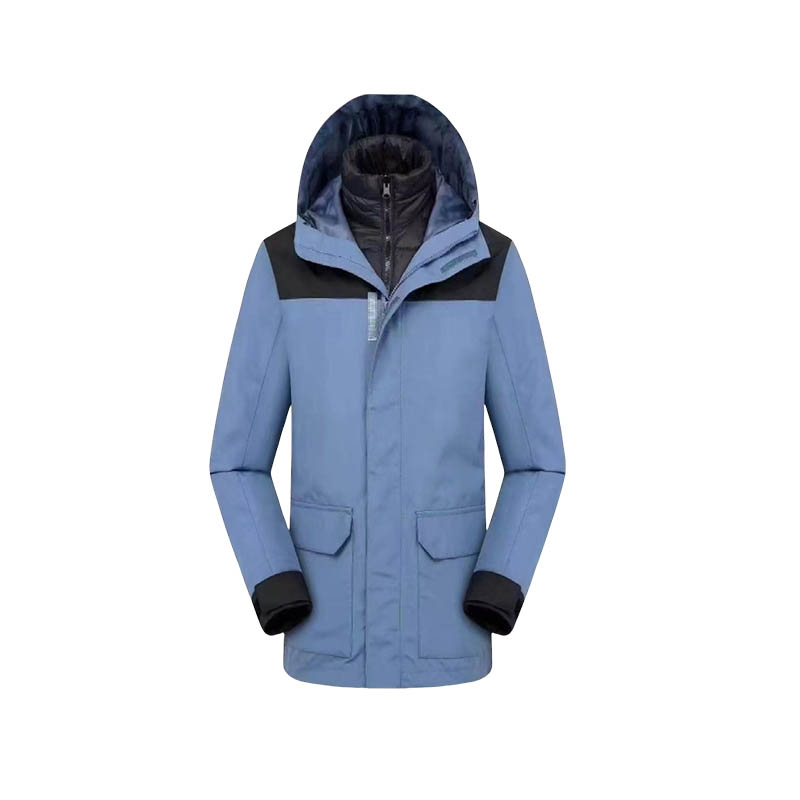
Beyond the physical attributes of the garment, the psychological aspect of comfort cannot be overlooked. The aesthetic design of protective jackets has evolved to look more like casual outerwear, which helps in maintaining the morale and professional identity of the wearer. When workers feel that they look professional and are wearing gear that is modern and well-designed, their perception of comfort improves. Furthermore, the inclusion of practical features such as strategically placed pockets, radio loops, and badge holders adds a layer of functional utility that enhances the user experience. These features allow workers to carry necessary tools and identification without the need for additional belts or harnesses, thereby reducing the overall load they must carry and streamlining their workflow.
Ultimately, the balance between safety standards and wearer comfort is achieved through a holistic approach to design that respects both the physics of protection and the biology of the human body. It requires a deep understanding of the specific hazards present in the work environment—whether it be arc flashes, chemical splashes, or extreme weather—and the selection of materials that mitigate those risks without imposing a physiological penalty. As textile technology continues to advance, the gap between "protective gear" and "comfortable clothing" continues to narrow. The goal is a protective jacket that acts as a second skin: invisible in its comfort, yet impenetrable in its defense, ensuring that the worker returns home safely at the end of every shift.
The foundation of this balance lies in the evolution of material science, specifically the development of advanced fibers that offer inherent protective properties without the need for bulky coatings. In the past, protection against heat and flames often relied on thick, heavy layers of treated leather or dense wool. Contemporary protective jackets, however, utilize high-performance synthetic fibers such as aramids (like Kevlar or Nomex), modacrylics, and ultra-high-molecular-weight polyethylene. These materials possess intrinsic flame-resistant (FR) and anti-static properties that do not wash out or wear off over time. By using fibers that are strong at a molecular level, manufacturers can weave fabrics that are significantly lighter and thinner than their predecessors while still meeting rigorous safety standards such as EN ISO 11612 for heat and flame protection. This reduction in weight directly correlates to a reduction in the metabolic cost of wearing the garment, allowing workers to move with greater agility and less fatigue.
A critical aspect of wearer comfort, particularly in high-risk environments that often involve high temperatures, is the management of heat stress. Protective jackets must act as a shield against external thermal hazards, but they must not become an oven that traps the wearer's body heat. This is where the concept of breathability and moisture vapor transmission becomes paramount. Modern protective jackets are engineered with moisture management systems that allow perspiration to escape from the inside out. If a jacket is impermeable, sweat accumulates on the skin, leading to heat rash, dehydration, and a dangerous rise in core body temperature. To combat this, designers utilize fabrics with high moisture vapor transmission rates and incorporate ventilation features such as underarm zippers or breathable mesh linings. This ensures that the microclimate between the skin and the jacket remains stable, preventing the "sauna effect" that can lead to heat exhaustion.
Ergonomics and fit play an equally vital role in harmonizing safety with comfort. A protective jacket that fits poorly can be a hazard in itself; a jacket that is too loose may snag on machinery, while one that is too tight can restrict blood flow and limit the range of motion. Adhering to principles of anthropometry, modern designs account for the dynamic nature of human movement. This involves the use of articulated patterning, where the sleeves and torso are cut to accommodate natural postures such as reaching, bending, and crouching. Furthermore, the integration of stretch panels or gussets allows the fabric to move with the worker rather than against them. This freedom of movement is not just a matter of comfort but of safety, as it ensures that the worker can react quickly and effectively in an emergency situation without their clothing impeding their actions.
The durability of a protective jacket is another factor where safety and comfort must be balanced. While a jacket must be robust enough to withstand abrasion, tears, and chemical splashes, it should not be so stiff that it causes chafing or restricts movement. Innovations in fabric weaving, such as ripstop technologies and honeycomb weaves, provide high tensile strength and tear resistance without adding unnecessary weight or stiffness. Additionally, the interior finish of the jacket is carefully considered to prevent skin irritation. Seams are often taped or flat-felled to minimize friction against the skin, and soft, absorbent linings are used to wick moisture away from the body. These subtle design choices accumulate to create a garment that feels less like a piece of industrial equipment and more like functional apparel, encouraging compliance among the workforce.
Beyond the physical attributes of the garment, the psychological aspect of comfort cannot be overlooked. The aesthetic design of protective jackets has evolved to look more like casual outerwear, which helps in maintaining the morale and professional identity of the wearer. When workers feel that they look professional and are wearing gear that is modern and well-designed, their perception of comfort improves. Furthermore, the inclusion of practical features such as strategically placed pockets, radio loops, and badge holders adds a layer of functional utility that enhances the user experience. These features allow workers to carry necessary tools and identification without the need for additional belts or harnesses, thereby reducing the overall load they must carry and streamlining their workflow.
Ultimately, the balance between safety standards and wearer comfort is achieved through a holistic approach to design that respects both the physics of protection and the biology of the human body. It requires a deep understanding of the specific hazards present in the work environment—whether it be arc flashes, chemical splashes, or extreme weather—and the selection of materials that mitigate those risks without imposing a physiological penalty. As textile technology continues to advance, the gap between "protective gear" and "comfortable clothing" continues to narrow. The goal is a protective jacket that acts as a second skin: invisible in its comfort, yet impenetrable in its defense, ensuring that the worker returns home safely at the end of every shift.