


Can labor protection clothing, woven from antistatic cotton fabric, create a dual barrier of safety and comfort?
Release Time : 2026-02-25
In work environments sensitive to static electricity or posing risks of flammability and explosion, such as electronics manufacturing, petrochemicals, precision instruments, and pharmaceutical cleanrooms, a seemingly ordinary piece of workwear actually bears the heavy responsibility of protecting lives and ensuring production safety. Labor protection clothing made from 270g antistatic cotton fabric achieves a delicate balance between functionality and humanization through its unique fabric structure, reliable static dissipation performance, and skin-friendly comfort. It is unassuming, yet each embedded conductive fiber constructs an invisible but crucial safety barrier.
Its core advantage stems first from the organic integration of antistatic function and natural cotton. The 270g weight gives the fabric a thick and crisp texture, making it wear-resistant and washable, sufficient to withstand high-intensity work environments; while the cotton fibers themselves are moisture-wicking and breathable, preventing stuffiness and irritation when worn close to the skin, effectively alleviating discomfort caused by prolonged labor. Crucially, conductive fibers (such as carbon black yarn or metal composite yarn) are evenly woven into the fabric, forming a continuous static dissipation network. When human activity generates static electricity, the charge can be quickly conducted to the ground through the fabric, preventing spark discharge—a crucial safeguard against explosions, fires, or product damage in areas with flammable gases, dust, or high-precision electronic components.
In terms of safety performance, the antistatic effect is durable and stable, withstanding rigorous testing. Unlike surface-coated antistatic agents that easily lose their effectiveness with washing, conductive fibers are physically embedded in the fabric structure. Even after dozens of industrial cleanings, they maintain a stable surface resistance value, meeting national and industry antistatic standards. The fabric is odorless and free of harmful dyes. Some products also undergo flame-retardant or antibacterial finishing processes, further expanding their applicability in special working conditions. This "structure-inherent" protective logic makes safety no longer a temporary measure but an inherent attribute of the clothing.
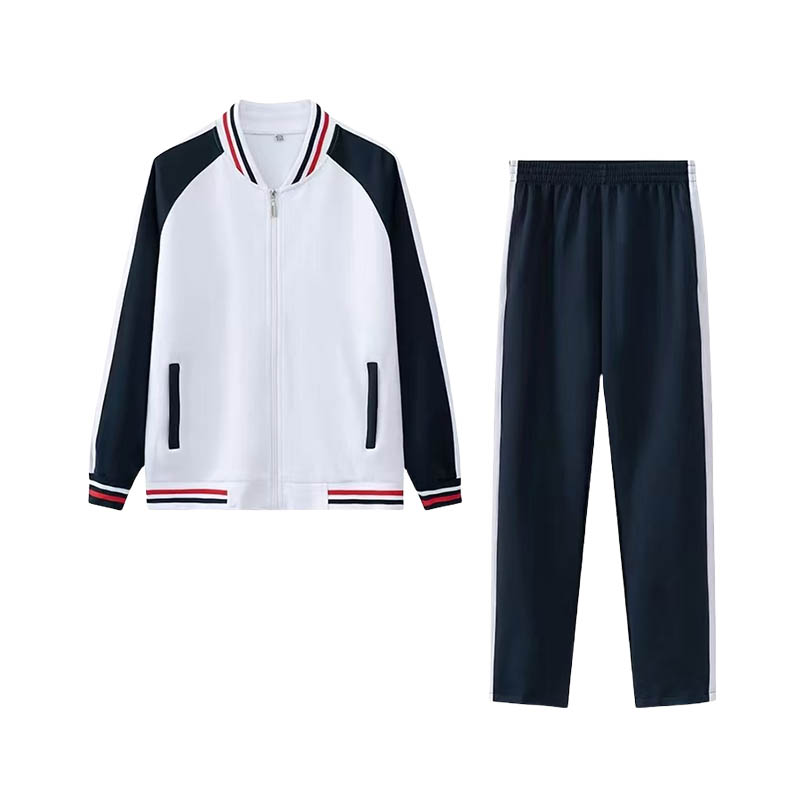
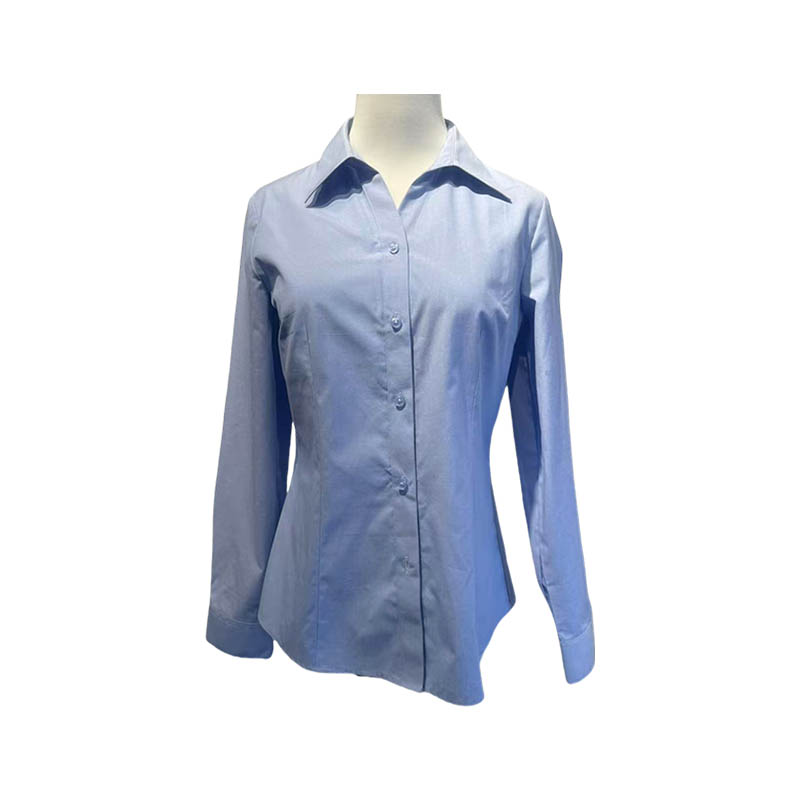
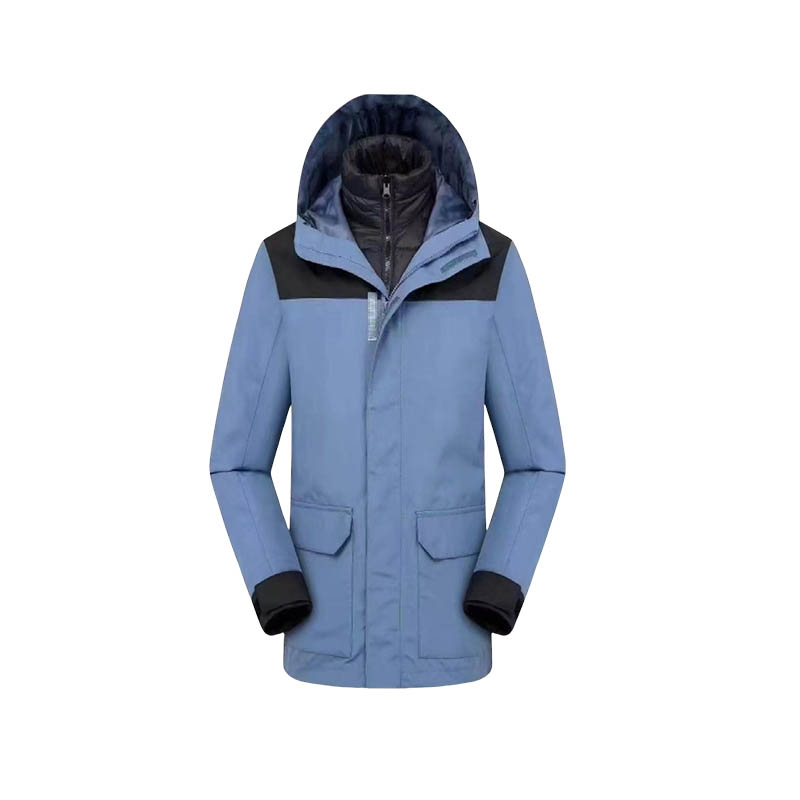
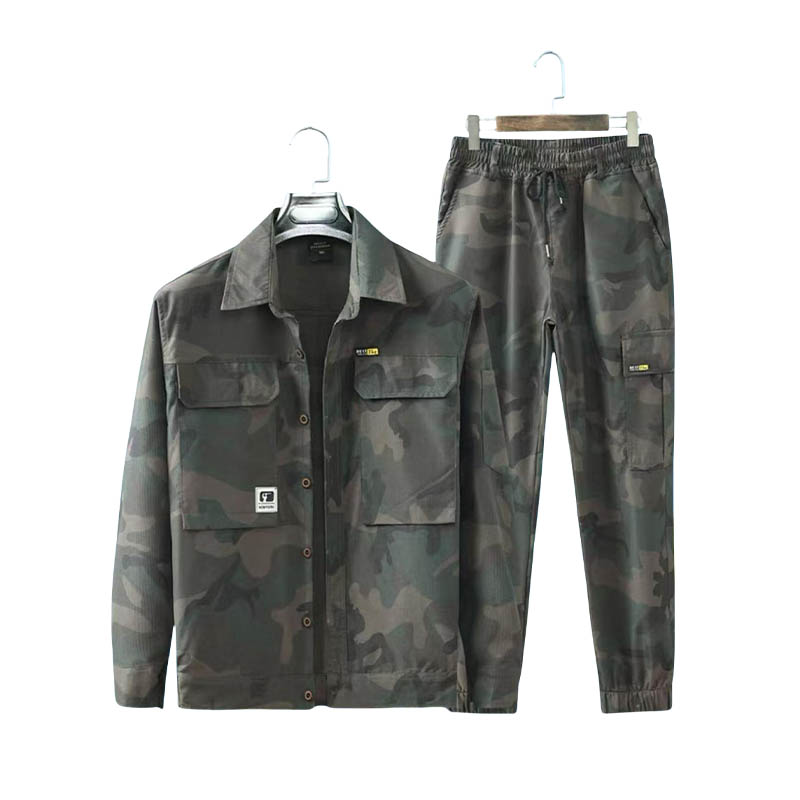
A deeper value lies in the implicit enhancement of work efficiency and professional dignity. The fitted cut balances freedom of movement with a professional image, multiple pockets facilitate tool carrying, and sturdy and durable zippers and snaps; colors typically include navy, gray, or white, which are both stain-resistant and comply with cleanroom regulations. When workers don't need to remove their clothing due to the heat or worry about static electricity, they can focus more intently and confidently on their work. This comfort and reliability, both internally and externally, not only reduces fatigue but also conveys the company's respect and care for its frontline employees.
Furthermore, environmental protection and sustainability are integrated into its lifecycle. Cotton, as a natural and renewable resource, degrades more readily than synthetic fibers; anti-static cotton fabric can be recycled at the end of its lifespan, reducing environmental burden. Its durability also means lower replacement frequency, reducing resource consumption at the source. In today's advocacy of green manufacturing and responsible production, this type of protective clothing is a prime example of prioritizing both "safety" and "sustainability."
Ultimately, the significance of a set of labor protection clothing lies not in its bulkiness, but in how it silently eliminates danger. When workers operate precisely in chip manufacturing workshops, when technicians conduct safety inspections in oil tank areas—behind them is this cotton workwear, gently yet resiliently protecting the safety boundaries of every breath and movement. Because in the essence of occupational health protection, true protection is not about isolating risks, but about allowing workers to fully immerse themselves in their work with peace of mind—silent as clothing, yet possessing its own power.
Its core advantage stems first from the organic integration of antistatic function and natural cotton. The 270g weight gives the fabric a thick and crisp texture, making it wear-resistant and washable, sufficient to withstand high-intensity work environments; while the cotton fibers themselves are moisture-wicking and breathable, preventing stuffiness and irritation when worn close to the skin, effectively alleviating discomfort caused by prolonged labor. Crucially, conductive fibers (such as carbon black yarn or metal composite yarn) are evenly woven into the fabric, forming a continuous static dissipation network. When human activity generates static electricity, the charge can be quickly conducted to the ground through the fabric, preventing spark discharge—a crucial safeguard against explosions, fires, or product damage in areas with flammable gases, dust, or high-precision electronic components.
In terms of safety performance, the antistatic effect is durable and stable, withstanding rigorous testing. Unlike surface-coated antistatic agents that easily lose their effectiveness with washing, conductive fibers are physically embedded in the fabric structure. Even after dozens of industrial cleanings, they maintain a stable surface resistance value, meeting national and industry antistatic standards. The fabric is odorless and free of harmful dyes. Some products also undergo flame-retardant or antibacterial finishing processes, further expanding their applicability in special working conditions. This "structure-inherent" protective logic makes safety no longer a temporary measure but an inherent attribute of the clothing.
A deeper value lies in the implicit enhancement of work efficiency and professional dignity. The fitted cut balances freedom of movement with a professional image, multiple pockets facilitate tool carrying, and sturdy and durable zippers and snaps; colors typically include navy, gray, or white, which are both stain-resistant and comply with cleanroom regulations. When workers don't need to remove their clothing due to the heat or worry about static electricity, they can focus more intently and confidently on their work. This comfort and reliability, both internally and externally, not only reduces fatigue but also conveys the company's respect and care for its frontline employees.
Furthermore, environmental protection and sustainability are integrated into its lifecycle. Cotton, as a natural and renewable resource, degrades more readily than synthetic fibers; anti-static cotton fabric can be recycled at the end of its lifespan, reducing environmental burden. Its durability also means lower replacement frequency, reducing resource consumption at the source. In today's advocacy of green manufacturing and responsible production, this type of protective clothing is a prime example of prioritizing both "safety" and "sustainability."
Ultimately, the significance of a set of labor protection clothing lies not in its bulkiness, but in how it silently eliminates danger. When workers operate precisely in chip manufacturing workshops, when technicians conduct safety inspections in oil tank areas—behind them is this cotton workwear, gently yet resiliently protecting the safety boundaries of every breath and movement. Because in the essence of occupational health protection, true protection is not about isolating risks, but about allowing workers to fully immerse themselves in their work with peace of mind—silent as clothing, yet possessing its own power.